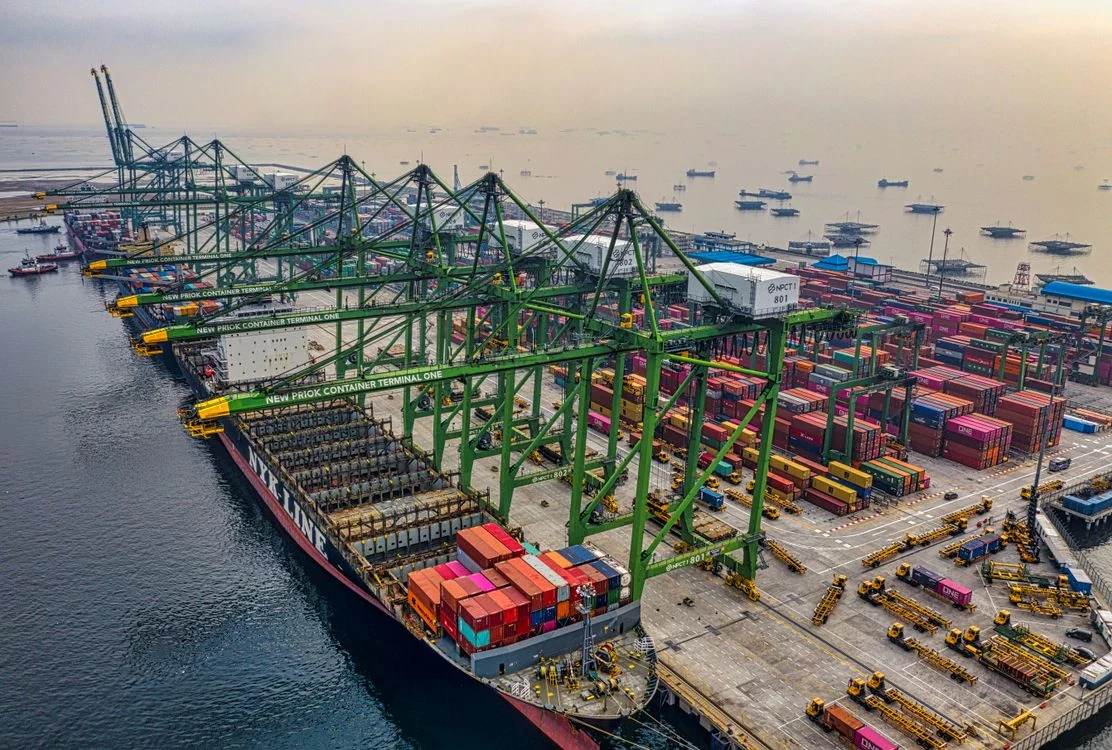
Ship–shore interface
Make responsibilities, communication and conditions for coordinated activities explicit.
 SAFETY FIRSTPASQUALE MAGLIULO
INSIDE REAL WORK
Vessels, terminals, operational interfaces
THE CONTEXT
Between ship and shore, roles, language and operating conditions change. Port operations, suppliers and crews need enough shared information to coordinate activities that can affect one another.
My HSEQ shipping experience draws my attention to interfaces: how are requirements transferred, anomalies managed and corrective actions followed? Audits, indicators and documentation gain meaning when they support dialogue between shipowners, terminal operators, suppliers and company functions.
In dangerous-goods transport, classification and information need to stay consistent across the chain. On board and in ports, access, cargo handling and enclosed spaces require specific assessment. International conventions and codes need to be read within their scope alongside relevant national requirements.
THREE AREAS OF ATTENTION
Make responsibilities, communication and conditions for coordinated activities explicit.
Connect cargo information, documentation and planned operations.
Consider entry and emergency response in the specific shipboard and shore context.
A QUESTION FROM EVERYDAY WORK
A programme change affects the vessel, terminal and supplier at the same time. Who confirms that all parties received and understood the revised conditions?
Let’s discuss your context ↗