Pedestrians and vehicles
Compare intended routes, crossing points and conditions that encourage deviations.
 SAFETY FIRSTPASQUALE MAGLIULO
INSIDE REAL WORK
Flows, vehicles, people
THE CONTEXT
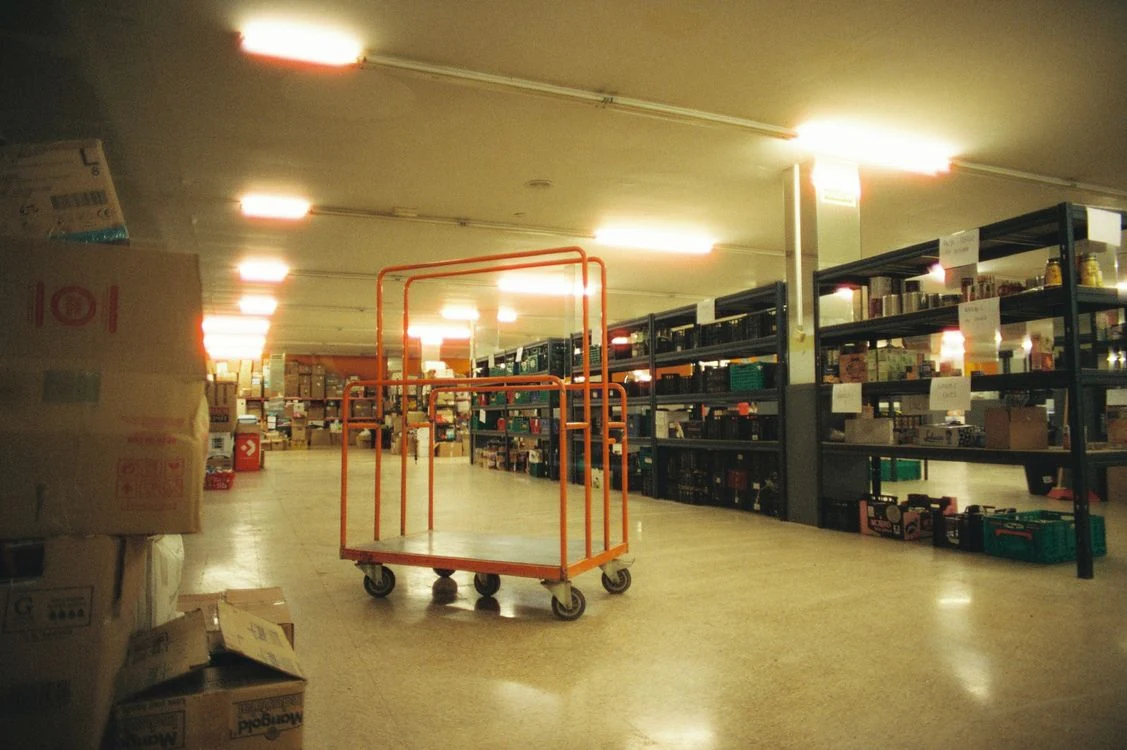
In logistics, productivity and safety share the same space. Loading bays, aisles, pedestrians, vehicles and transport companies meet with different schedules and site familiarity. Clear flows become part of prevention.
I observe entry, waiting, loading and unloading with the people doing the work. Routes and signs need to match what people actually encounter, including at peak times or when an area is temporarily unavailable. An external driver should not be considered informed merely because entry was authorised.
Manual handling, equipment use and cargo management need a conversation about organisation, training and operating conditions. Where dangerous goods or waste are involved, transport and documentation duties sit alongside workplace risks: recognising different roles helps prevent unmanaged handovers.
THREE AREAS OF ATTENTION
Compare intended routes, crossing points and conditions that encourage deviations.
Coordinate operators, drivers and those controlling the area at each stage.
Identify applicable roles and documents without confusing ADR and waste traceability.
A QUESTION FROM EVERYDAY WORK
A driver arrives for the first time during peak activity. What information do they receive, and how is understanding of waiting areas and routes checked?
Let’s discuss your context ↗