Twenty-two terms explained in plain language, with links for further reading. Acronyms remain recognisable across languages. Search for a term or browse the cards.

Hazard
A source, situation or condition capable of causing harm. Identifying a hazard means asking what could cause harm and who could be affected before estimating likelihood. Moving machinery, a substance and work organisation may require different analysis.
Open content ↗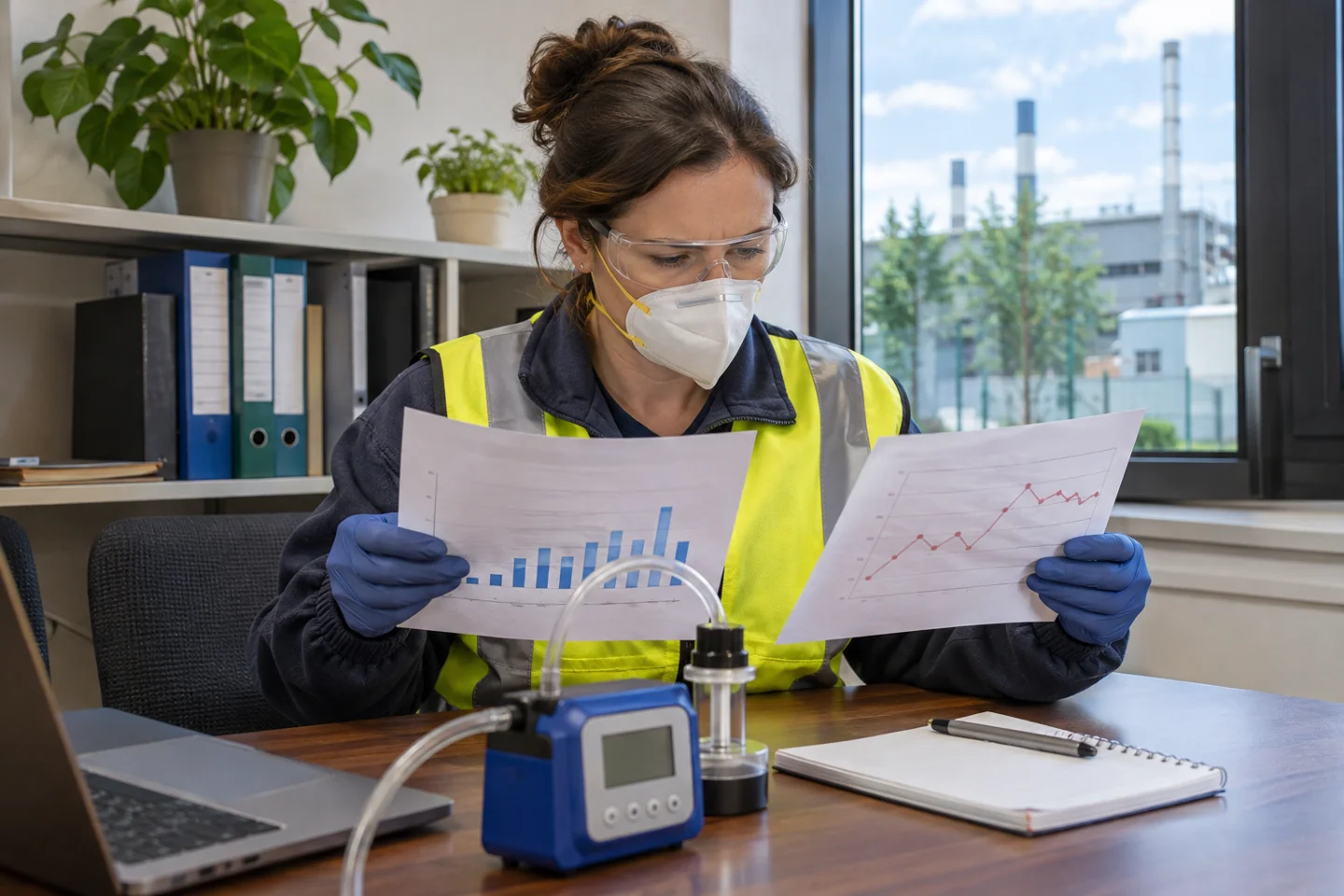
Risk
Risk concerns the likelihood and severity of consequences under particular exposure conditions. It is not a property of an object alone: tasks, people, frequency and existing controls affect the assessment. A score supports decisions but does not fully describe the situation.
Open content ↗
Risk assessment
A process that identifies hazards, exposed people and necessary measures, then checks whether the controls work. Documentation makes decisions traceable; preventive value depends on how those decisions are implemented and reviewed when work changes.
Open content ↗
Residual risk
The risk remaining after the controls under consideration have been applied. Calling it residual does not automatically make it negligible or acceptable. Control effectiveness, conditions of use and the need for further action still require examination.
Open content ↗
Hierarchy of controls
An order of reasoning that prioritises removing the hazard and reducing it at source over relying only on personal protection. Engineering measures, work organisation and PPE need to fit the task, including maintenance and practical usability.
Open content ↗
Near miss
An event that could have caused harm but did not do so in the observed circumstances. The absence of harm does not prove that safeguards worked. Reporting is useful when it helps explain the conditions and opportunities for prevention.
Open content ↗
Incident
An event to examine in terms of its sequence, actual consequences and potential. Before classifying it, establish the definition used by the relevant system. Reconstruction needs to distinguish available facts from hypotheses and information still to be gathered.
Open content ↗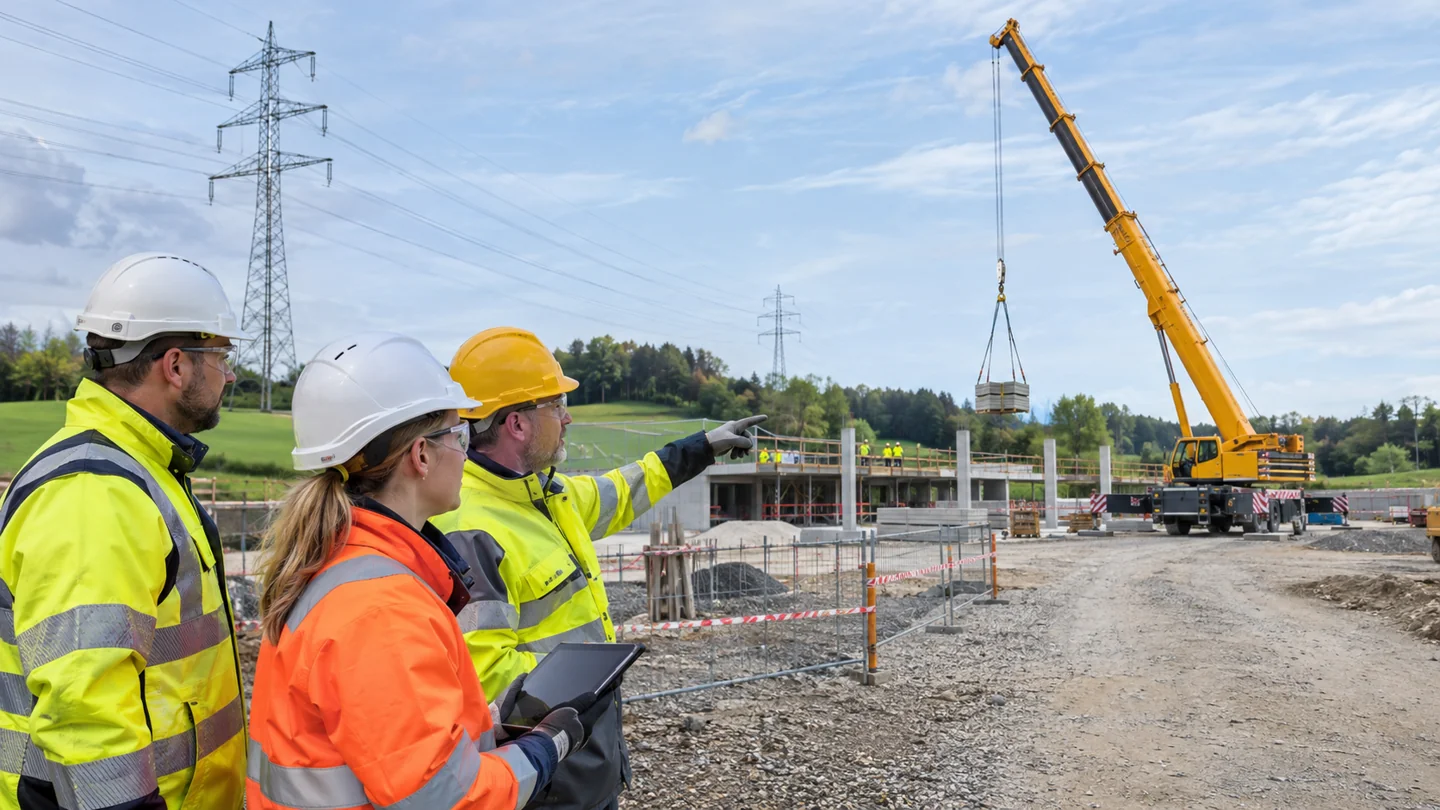
Stop Work Authority
An organisational arrangement enabling work to be stopped or not started when unsafe conditions or significant doubts emerge. It needs listening, clear responsibilities and restart criteria. Stopping initiates reassessment; it does not complete the response.
Open content ↗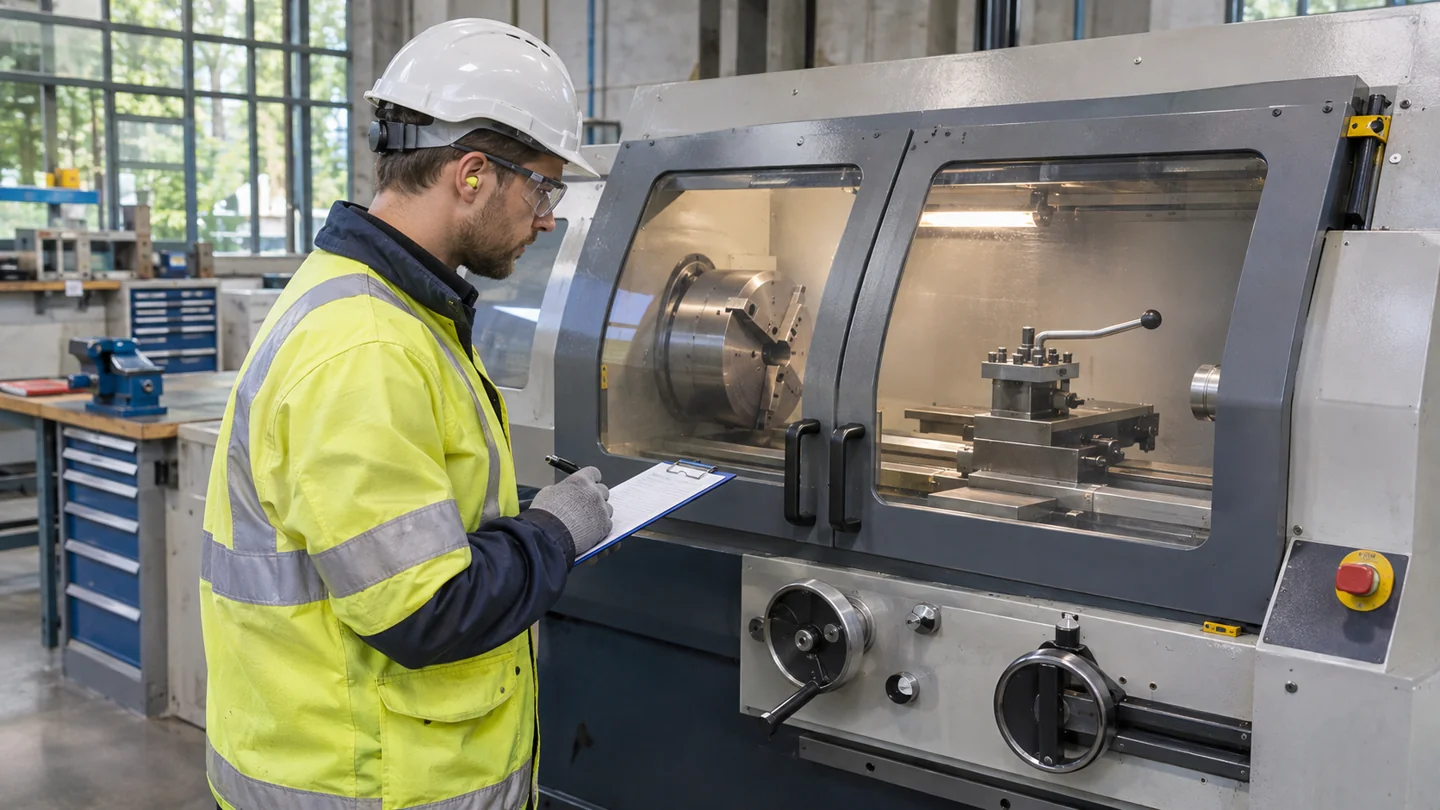
Permit to work
A formal tool authorising defined work under specified conditions and coordinating roles, controls and validity. It does not replace risk assessment, competence or workplace checks. Abnormal situations and changes require the suspension and review arrangements established by the system.
Open content ↗
Energy isolation · LOTO
Managing energy sources to prevent unexpected activation or release during an intervention. Sources can include electrical, mechanical, pneumatic, hydraulic, thermal and stored energy. Application requires procedures, source identification and appropriate verification, not simply attaching a padlock.
Open content ↗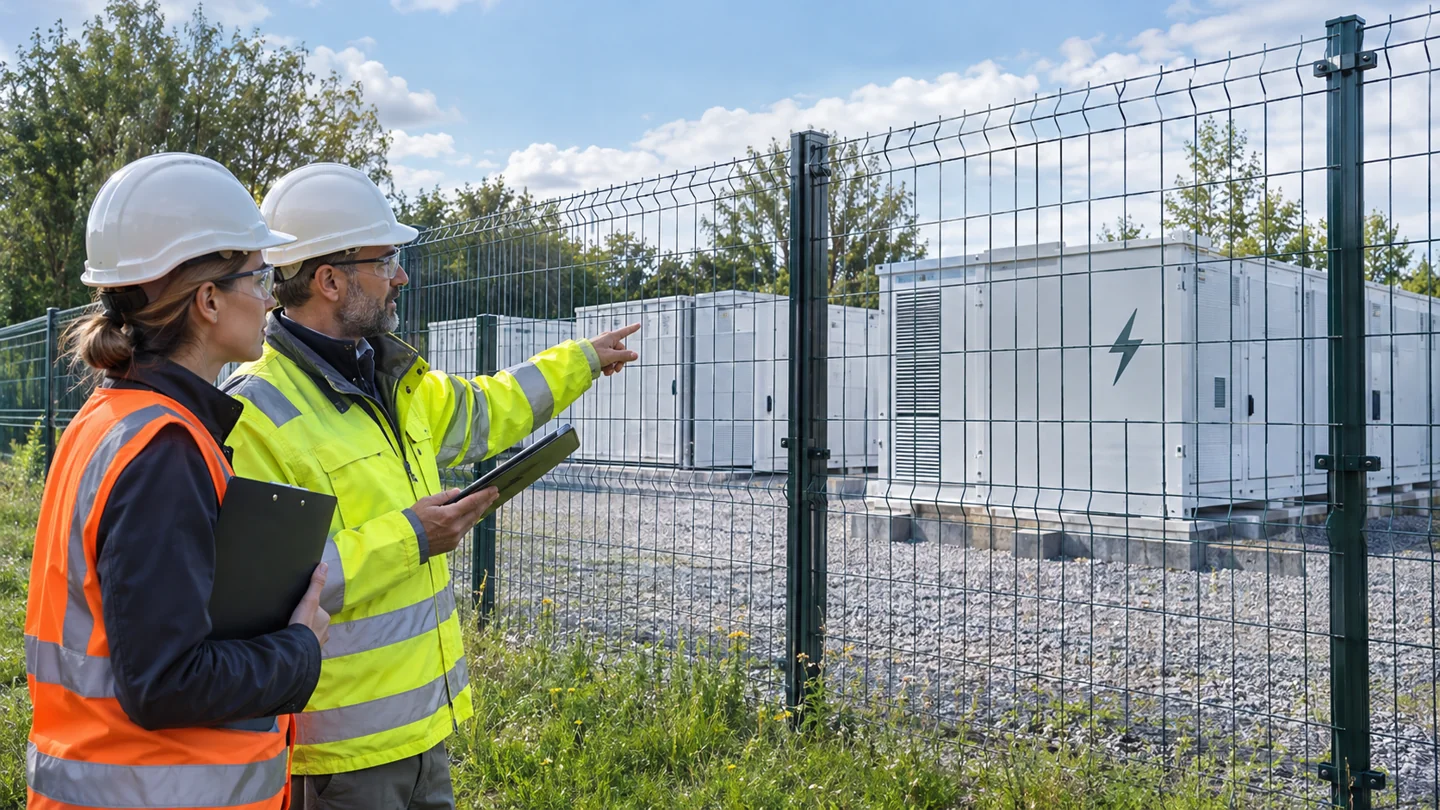
MOC · Management of change
A process for assessing the implications of a change before implementation and following its effects. Changes may involve equipment, materials, software, people or organisation. A temporary change also needs limits, responsibilities and conditions for reversal or permanent adoption.
Open content ↗
RCA · Root cause analysis
A structured investigation into factors contributing to an event and the conditions that made them possible. It does not require finding a single cause at any cost. Explanations need supporting evidence and should lead to verifiable actions.
Open content ↗
Five whys
A questioning technique that explores an initial explanation through successive questions. Five is a guide, not a fixed target. Each step needs evidence. Multiple contributing factors require separate branches rather than ending with a personal characteristic.
Open content ↗
Safety barrier · Safeguard
An engineering, organisational or human measure with a specific function in preventing an event or limiting its consequences. Assessment requires knowing what it must do, under which conditions and how its effectiveness is checked over time.
Open content ↗
Process Safety
Preventing and controlling process events capable of serious consequences, such as fires, explosions or hazardous releases. It combines asset integrity, operations management and organisational factors. Individual injury counts alone do not describe it.
Open content ↗
Major-accident prevention management system
The system organising responsibilities, procedures and resources to prevent major accidents and limit their consequences within the relevant Seveso framework. Assessment connects documentation, scenarios, operations and the ability to sustain effective controls.
Open content ↗
Audit
A planned, documented examination collecting and evaluating evidence against stated criteria. Objectives, scope, sampling and competence need to fit together. Its value is not the number of findings but the quality of information for understanding and improving the system.
Open content ↗
Inspection
An examination focused on a condition, item of equipment, activity or requirement. It can provide evidence for an audit, but its purpose and scope are not automatically equivalent. Specify what is being checked and which criterion supports the result.
Open content ↗
Effectiveness
The ability to achieve the intended outcome. Delivering training or closing an action shows that an activity took place. Checking effectiveness requires observing what changed in relation to the objective.
Open content ↗
Leading indicators
Measures helping track the presence and operation of preventive conditions, such as verification of a critical safeguard. They are useful when clearly connected to risk. The number of activities performed alone may not describe their quality.
Open content ↗
Lagging indicators
Measures of events or consequences that have already occurred, such as injuries or releases. Interpret them with denominators, recording criteria and context. A period without recorded events does not by itself demonstrate an absence of risk.
Open content ↗
Human factors
The relationship between people, tasks, tools and organisation that influences performance and safety. Considering human factors means designing usable working conditions, recognising limitations and listening to experience rather than reducing every explanation to inattention.
Open content ↗